
2025/26
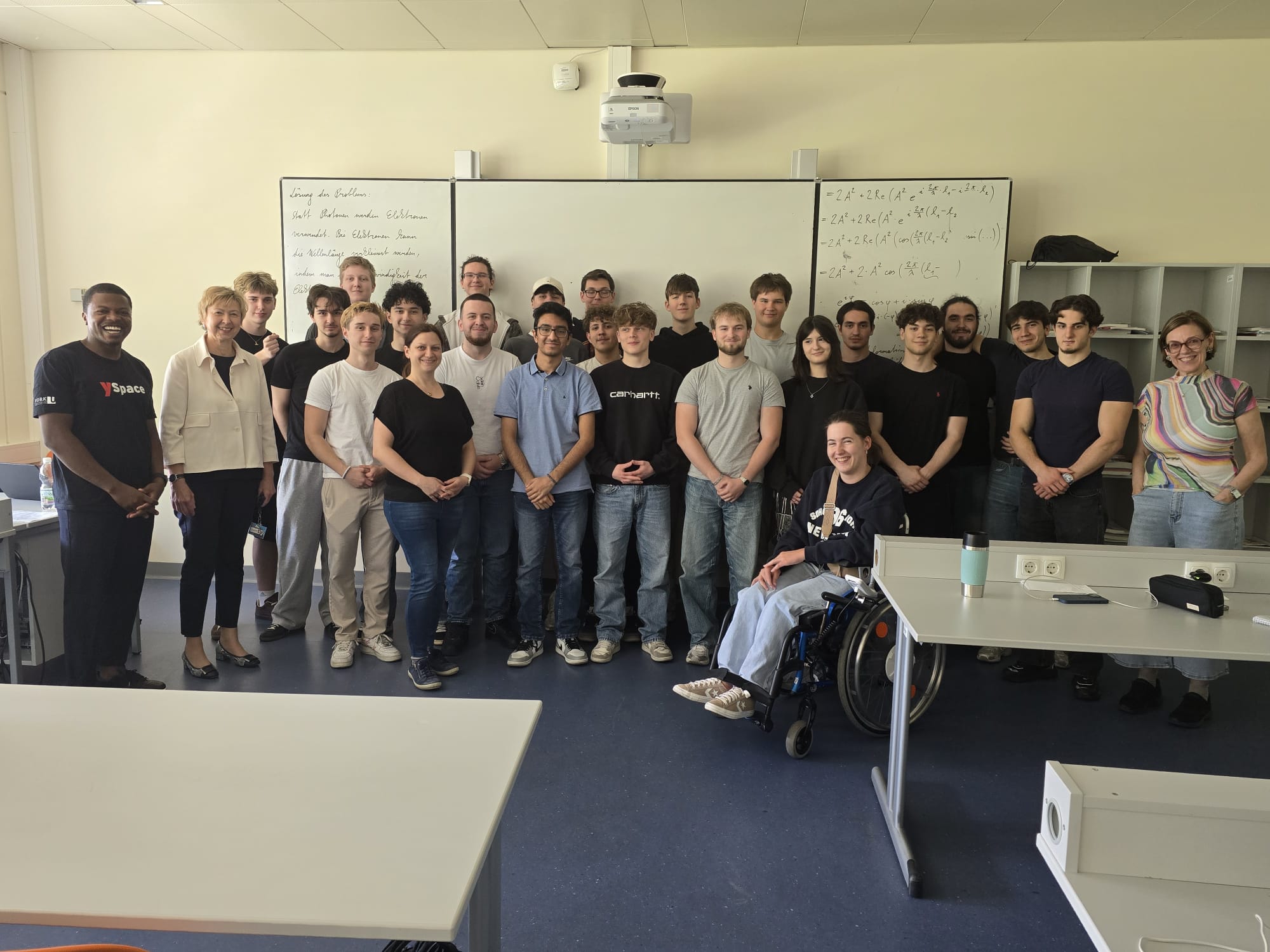
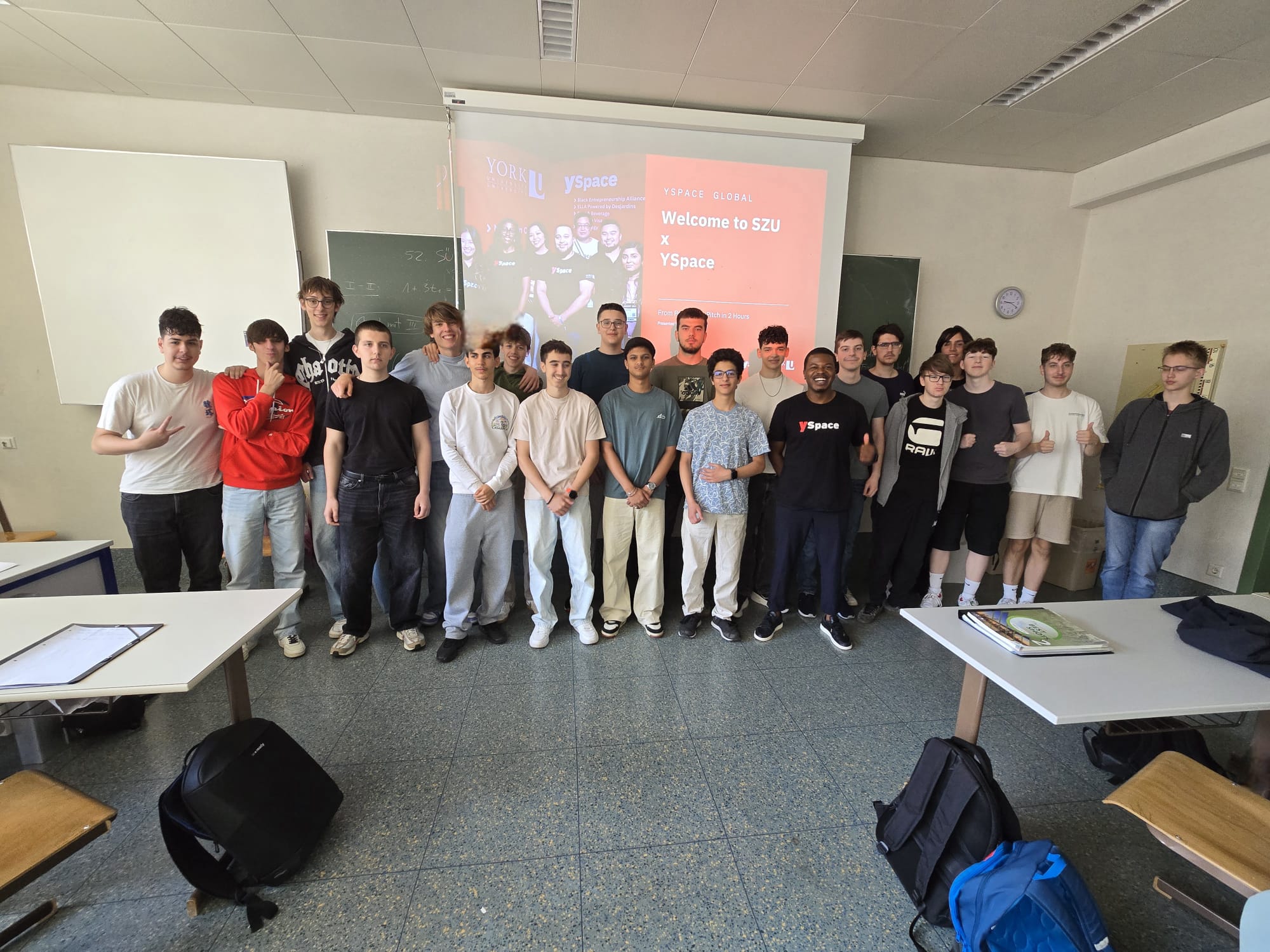
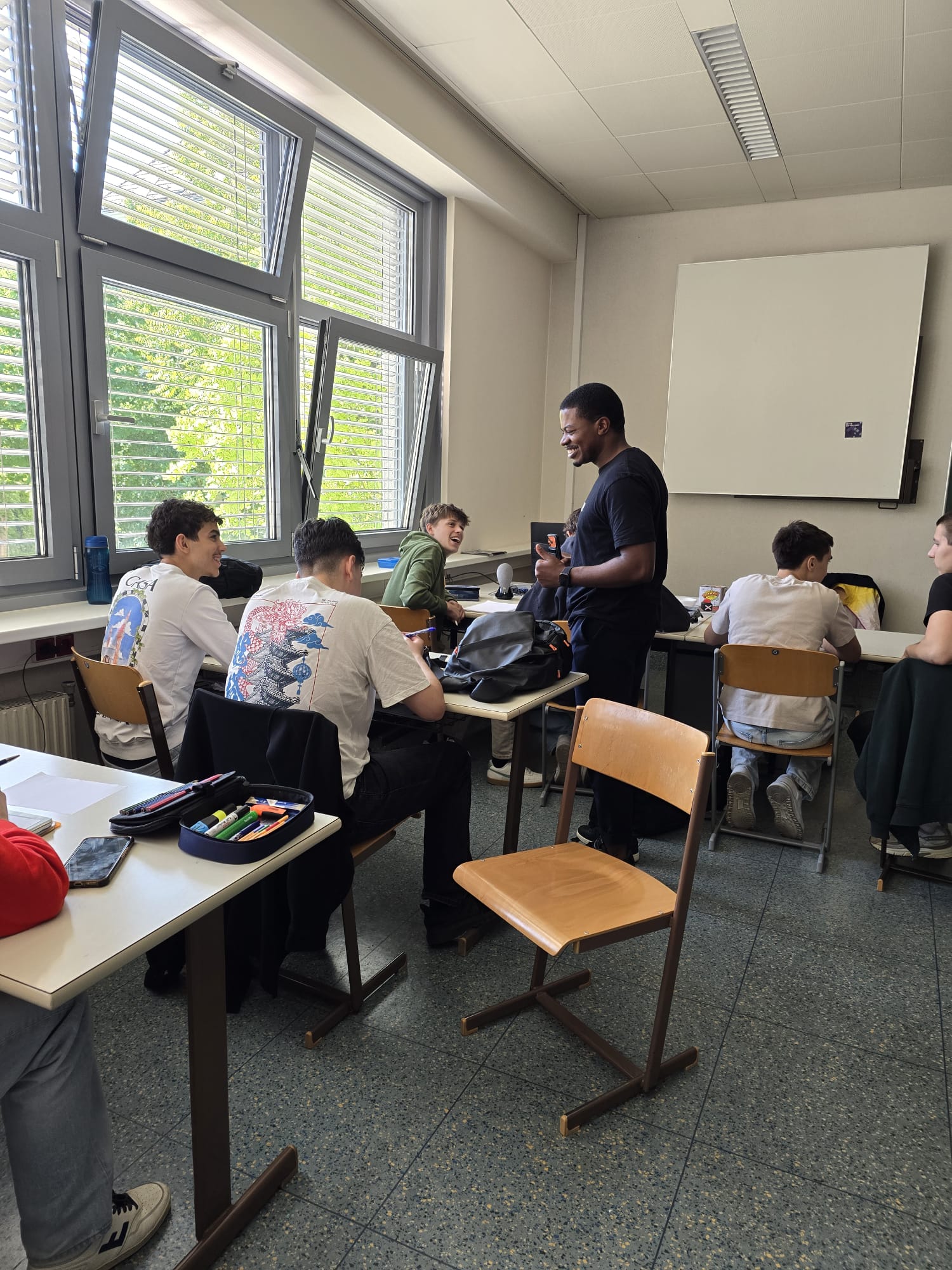
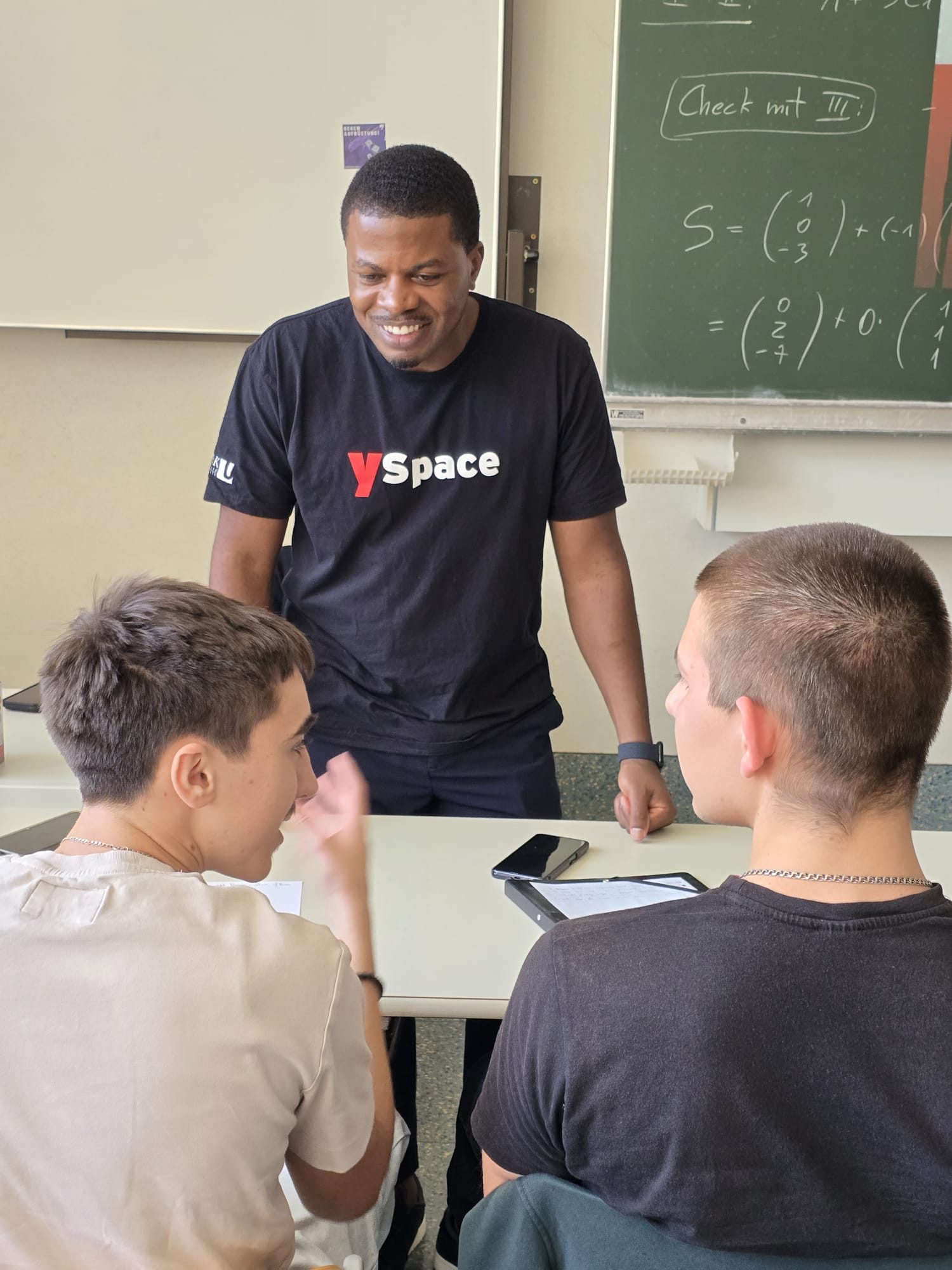
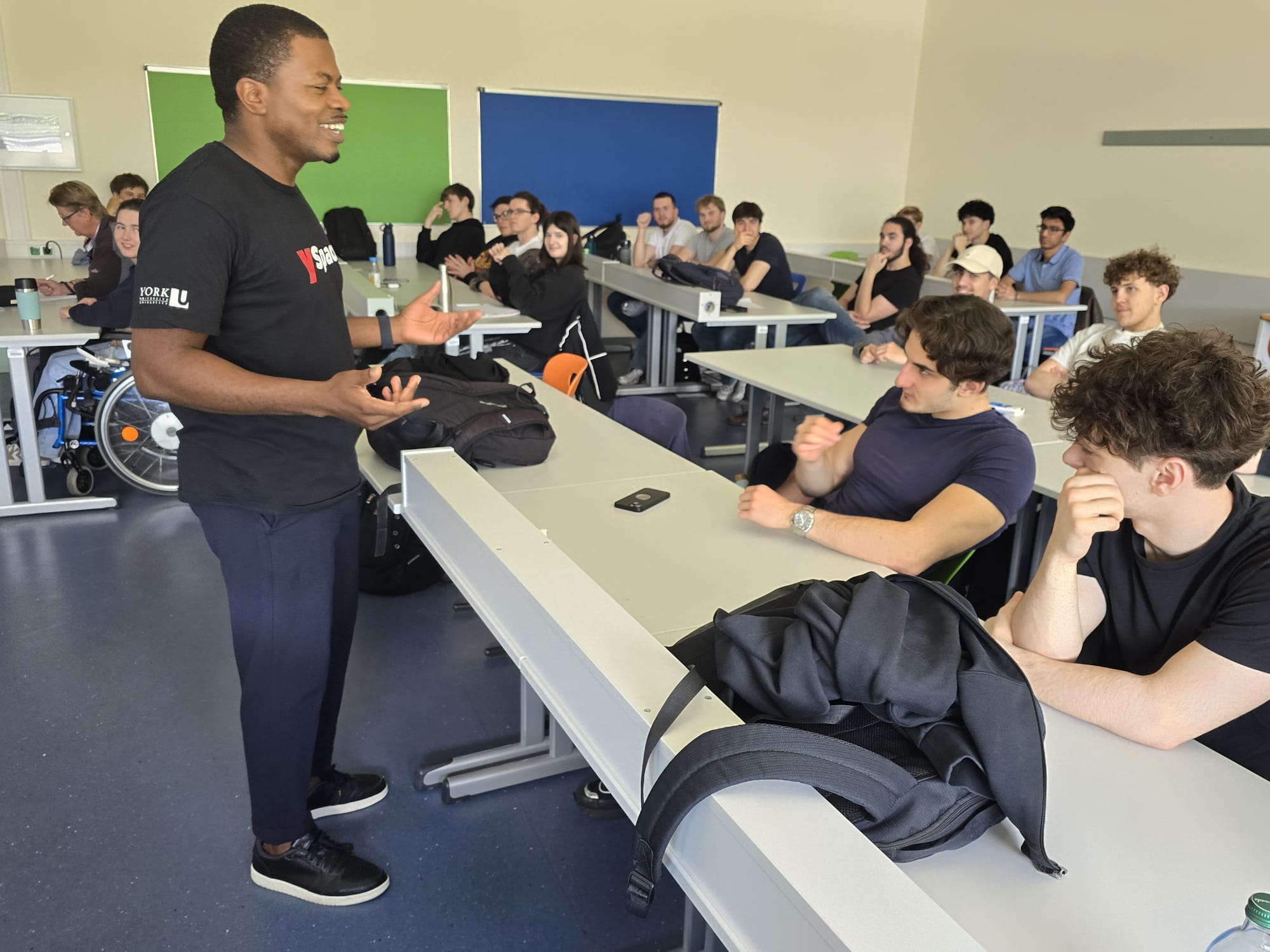
As part of the World Summit Awards (WSA) Global Congress 2026, which took place in Vienna from 19 to 22 May 2026, SZU had the pleasure of welcoming Jason Muloongo for two highly engaging workshops on technology, innovation and entrepreneurship.
Jason Muloongo is a South African engineer who has worked for Airbus and Lufthansa. He later founded an EdTech start-up that won a WSA Award in Montreal for advancing educational goals. Today, he works as an entrepreneurship programme advisor, mentor and growth marketing expert, supporting companies and young innovators in developing successful digital ideas.
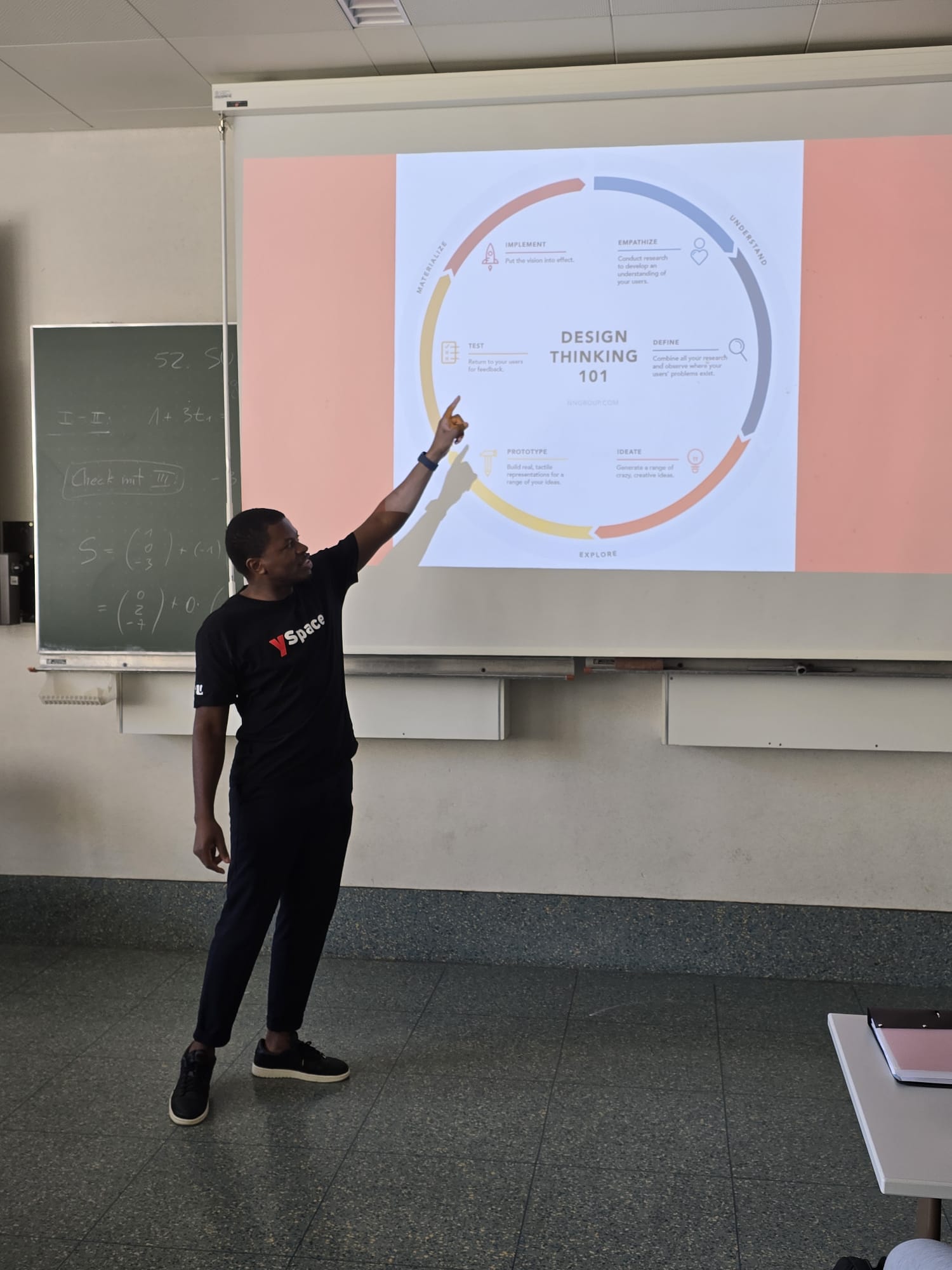
At SZU, Jason introduced students to exciting approaches such as Design Thinking, high-performing innovation teams and the 5C Framework for AI Prompting. The workshops impressively demonstrated how technology can be used in meaningful, creative ways to explore technical topics and develop innovative solutions.
The workshops covered a wide range of challenges: from a project on leg prosthetics to supporting a grandfather struggling with two-factor authentication, from a band trying to win the Eurovision Song Contest to questions about whether AI might replace programmers at companies such as Nvidia. The ideas that the students came up with showed creativity, technical thinking and a strong awareness of real-world problems.
The sessions were not only inspiring for the students, but also for the speaker himself. Jason was deeply impressed by the students’ projects, their thoughtful questions and the lively Q&A session at the end. He praised the learning environment at SZU and highlighted how much is possible when young people are given the right space to think, create and discuss.
Our head teacher, Ms Mikovits, also visited the workshops to get a first-hand impression of the students’ work and the dynamic atmosphere in the classroom.
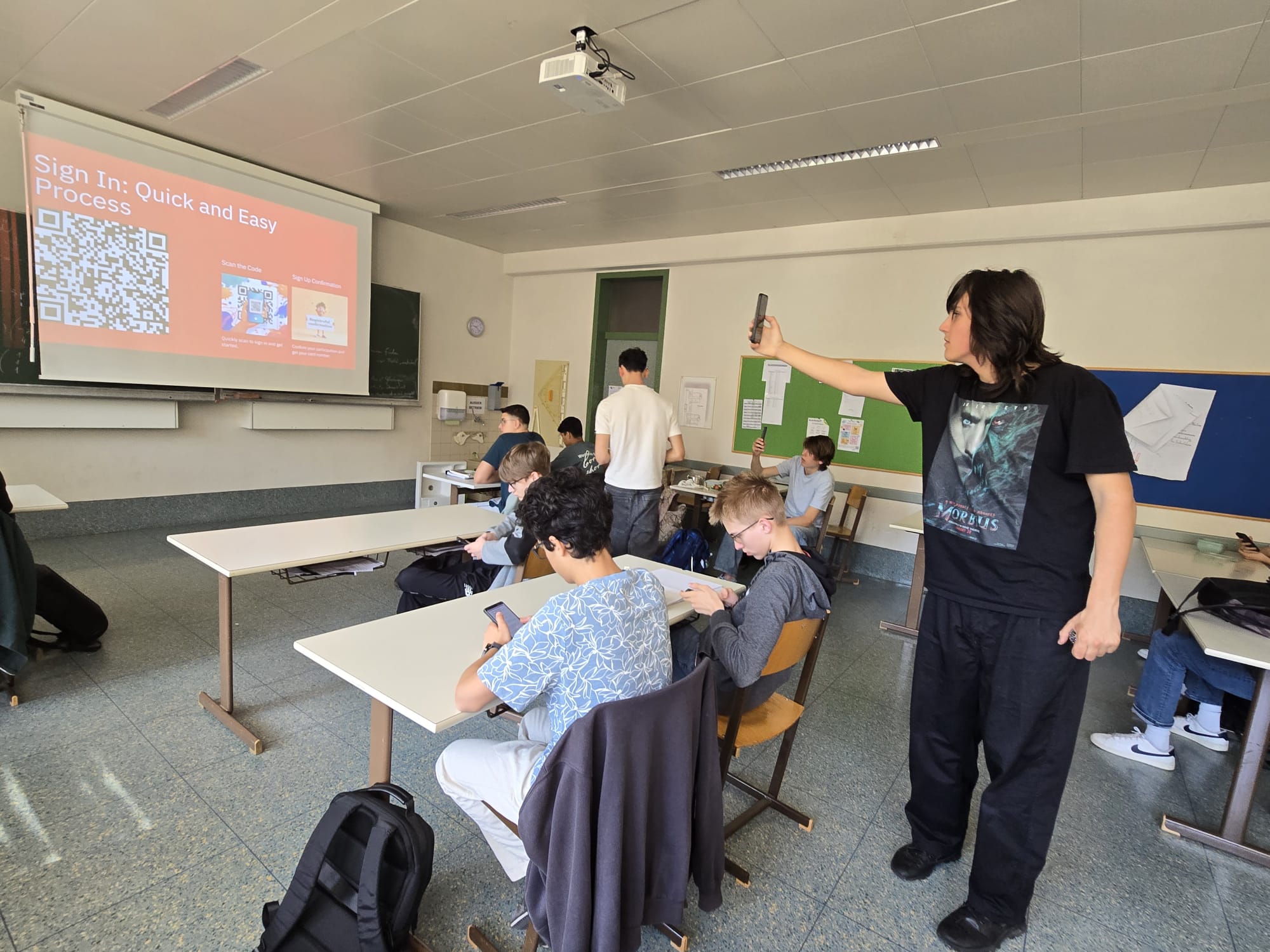
What made the workshops particularly successful was the purposeful use of digital tools. Students used mobile phones, codes and digital worksheets throughout the sessions — but always as learning tools. The event clearly showed that when digital learning is well-designed, exciting, and meaningful, technology becomes a powerful support for education.
The workshops with Jason Muloongo were a perfect example of modern learning at SZU: international, hands-on, future-oriented and full of creative energy. ©SCPA
Report from the Students of Class 2BHITN
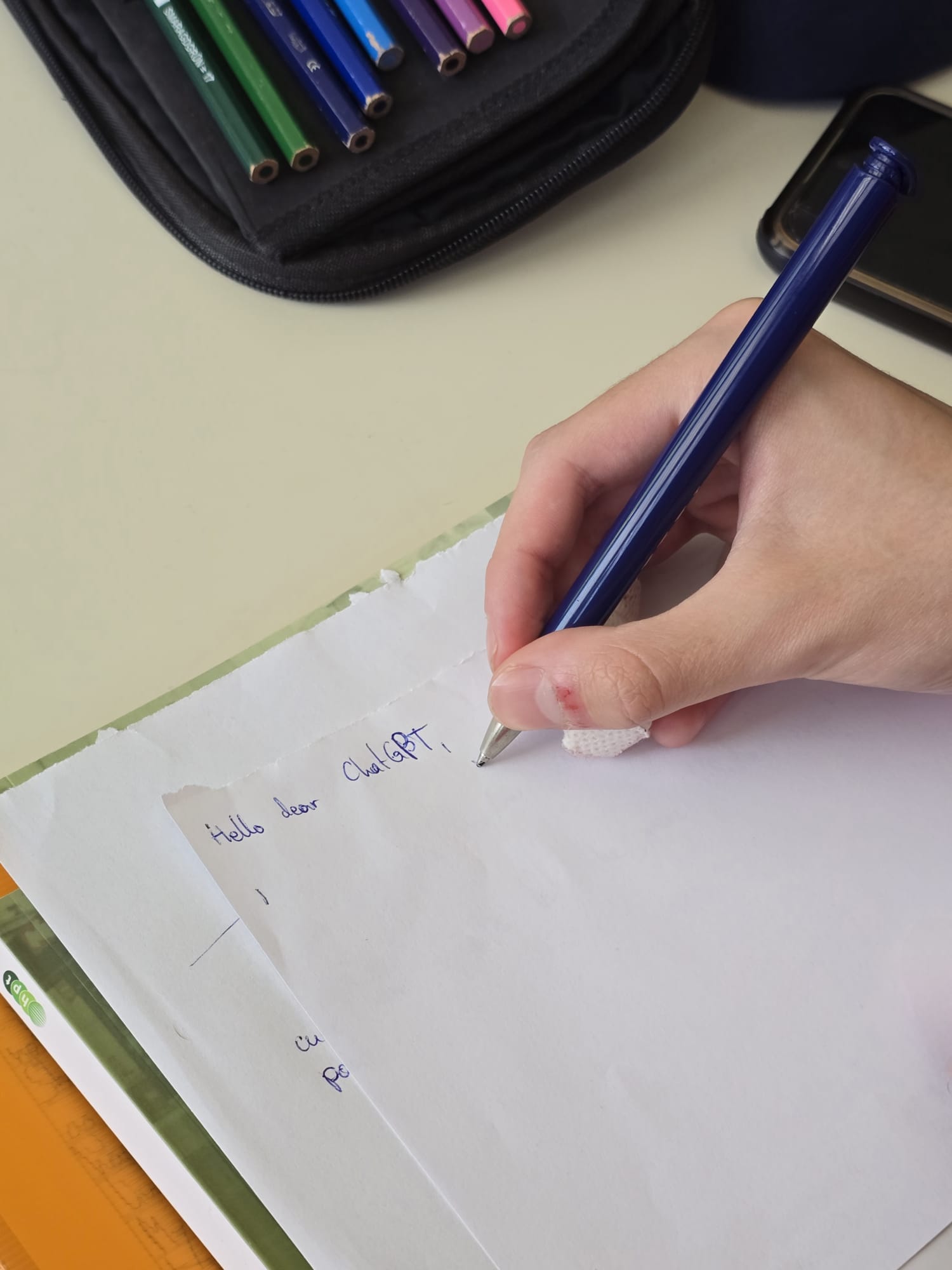
During the workshop, we developed our own ideas and innovations. We used AI tools such as ChatGPT to improve, expand and rethink them. AI helped us discover new perspectives, solve problems more quickly and turn general ideas into concrete solutions. We also learned about the 5C rule of AI prompting, which helps users write clearer questions and receive more useful answers.
Overall, the workshop was both helpful and inspiring. I learned more about innovation and entrepreneurship and discovered how AI can support creativity, learning and problem-solving in everyday life. ©Ertugrul 2BHITN
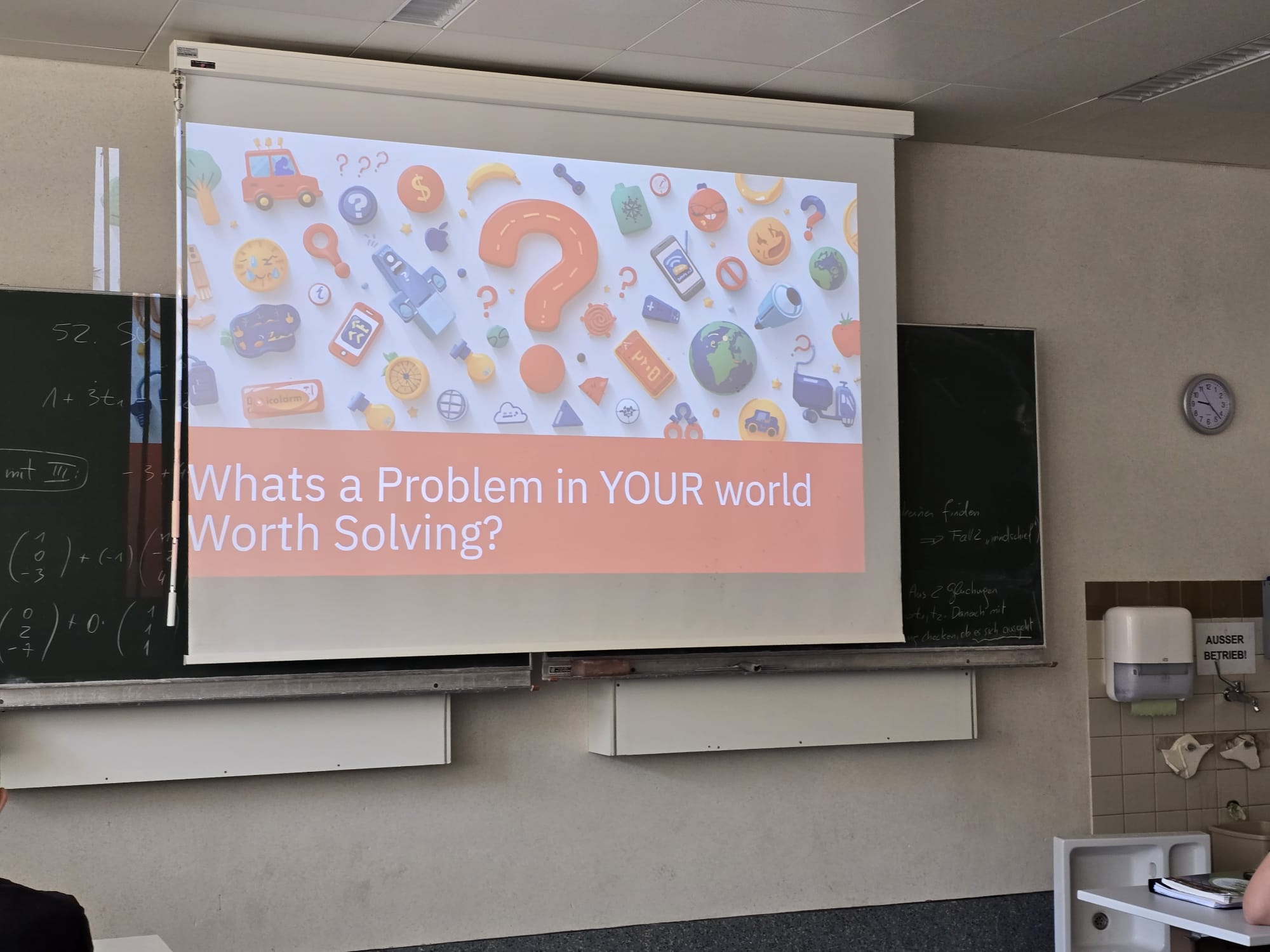
We applied these ideas ourselves by identifying real-world problems and using AI to develop possible business solutions. With the help of a guided worksheet, we turned our initial thoughts into more structured start-up concepts. The workshop gave us a realistic and modern insight into entrepreneurship and the growing role of AI in future innovation. ©Zhivko, 2BHITN
We did not simply come up with one idea and stop there. We generated several ideas, compared them and then chose the most suitable one. We also had to explain the reasons for our decision, which was more challenging than we had expected.
We needed to think carefully, discuss our ideas and sometimes disagree. Not everyone viewed the problem in the same way, and that was fine as long as we supported our opinions with convincing arguments.
Finally, we linked our idea to the UN Sustainable Development Goals. We considered not only whether our solution could solve the problem, but also whether it could have a positive impact on society or the environment. © Rami, 2BHITN